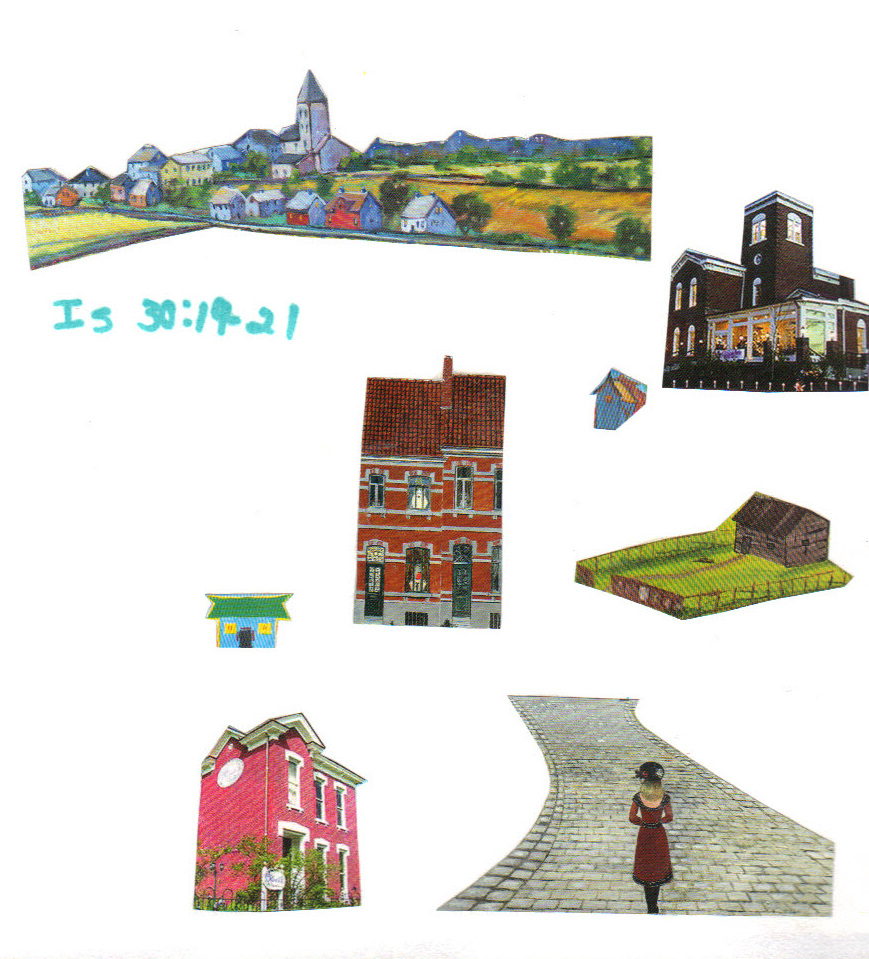
1 a : a result of perceiving : observation
Three seemingly small and insignificant things happened yesterday at church: someone stopped me in the hall to say she's been enjoying my blog, another told my husband they appreciate my "calm presence" and when I complimented a friend on her cute outfit, she told me I inspired her to wear it. Each of these things could have easily gone unnoticed. But they didn't. Why? I think because I was listening with my heart as well as my ears.
Do you do this? Ear listening is the kind where I hear what the person is saying, respond and walk away, never to think of it again. Heart listening is like an echo of the conversation that replays in my mind. It's sort of like a quiet voice whispering, "Did you hear that? She reads your blog." If I let it, the echo shows me what's important. There's a reason I needed to hear each of these things - and not just hear them, but hear them with my heart.
The message for me in each of these interactions is that I am being seen and that my offerings have value. I have a love/hate relationship with being seen. Since you can't truly be known without being seen, I value authenticity and having someone "get me." I also fear being seen because one of the lessons I learned in childhood is that being seen can bring pain and shame. I'm not sure whether this paradox of wanting to be seen and wanting to blend in is one I will have to live with for the rest of my life, but I do think God is calling my attention to it and trying to gently show me that people DO see me, whether I know it, like it or fear it. In fact, I think that's what this whole year of radiance has been about.
For the last three years, I've asked God for a word for the year. In the late fall, I start praying and asking God what my word for the next year should be. 2010 was change, 2011 was unfurl, 2012 is radiant. Radiant has been the hardest word for me. Change I was able to embrace, because God had really been preparing my heart for that one for a long time. Unfurl was also a bit scary - the idea of letting the real me fly about in the breeze was unsettling. But radiant? Yikes. What am I to do with that? Apparently, it's not something for me to do. Because while the first two words are verbs, radiant is an adjective. I don't think it's something I'm supposed to do (it's not radiATE), it's something I am. That scares me more than just a little. But when I can set aside my fear and listen and observe, I see God trying to gently remind me who I am.
I chose the word "perception" for this post because I was thinking about how each of these three women at church helped me change my perception of myself. But the definition made me realize a whole other side to this: that my job is to watch for God - to look for him at work, to listen to the echoes in my heart, to observe and perceive. Not to make myself radiant, but to see who I already am.
As you read this, I don't know whether to encourage you to help others see who they are or encourage you to cultivate heart listening. I doubt the interactions yesterday felt important to the people who offered me these gifts - it was the receiving that made them gifts. But we never know what our words will do in someone's heart, so we should choose them wisely. And if we are listening with our hearts as well as our ears, perhaps we'll offer words that God can use as gifts. I want to offer my ordinary life and self to God and have his perception change them into extraordinary things.
Showing posts with label radiant. Show all posts
Monday, October 22, 2012
Tuesday, October 16, 2012
ORDINARY
3: the regular or customary condition or course of things
Yesterday was a perfectly ordinary day. It started with a brief morning walk and included mundane tasks like laundry, grocery shopping and changing the sheets on beds. But it also offered an unhurried span of time to teach and learn, to listen to classical music over lunch, to go for a walk and collect colorful autumn leaves. The day left me grateful and reminded me why I like homeschooling. It's been easy to forget the blessings of homeschooling while moving - there has been so much to do that teaching has felt like one more burden to bear. It didn't feel that way yesterday: it felt like a gift.
In the church calendar we are in the thick of Ordinary Time - that space between Pentecost and Advent when we live out the lessons learned from Christ's birth, the light we see during Epiphany, the things we lose and gain during Lent and Easter. For me, this is the most challenging time in the church calendar. There's none of the waiting with bated breath for the birth of the Christ child, none of the daily reminders of Lent to remember my faith by doing or not doing something. Apparently, I can live my faith life quite well in 40 day increments. It's when I'm expected to carry on for several months uninterrupted that I long for something to pull me out of the ordinary and shake me up a bit.
Yet I believe our faith is best lived ordinarily. What we do during our ordinary moments speaks volumes about who we are and what our hearts are tuned to. When I look back on my life, I want the ebb and flow of my everyday actions to be what people remember - not a few peaks and valleys where I was at my best or worst. I want my ordinary life to be a worthy offering, not an afterthought.
As we walked together yesterday afternoon gathering leaves, I told B and K what A shared with me two years ago when she took botany: when a leaf changes colors in the fall, it's not becoming that color for the first time. The color we see is actually the color the leaf has been all along, it's just been masked by chlorophyll. I told them I think our lives are like that, too. That when we are dying (as the autumn leaves are), we get to see what we're really made of - what vibrant colors lie just beneath the surface.
The truth of it is that we are all, minute by minute, dying. And these ordinary days do reveal something about the colors that compose us. The way I buy bagels because they are A's favorite thing for breakfast? A color of who I am as a mom. The blessings I've written for their bedrooms? They show you my heart for my daughters and our home. The sharp tone of voice I use with my children when I am mentally or physically exhausted? Also telling you who I am, showing one of the veins running through this particular leaf.
I'd like to imagine that, unlike leaves, we don't have to wait until the very end to see the vibrancy of our beings. If I'm willing to let go of who I think I am and embrace what I see revealed of myself through my heart and actions, I'll get glimpses of gold, bronze, magenta, russet.
I want to embrace the sacredness of the ordinary. I think that means seeing all of the things I do - whether sweeping a floor, wiping down a counter or teaching how to write an equation - as both an offering from me to God and an opportunity for me to see myself more clearly. I want to not resist the ordinary for its supposed dullness, but embrace it for the way it offers me opportunity to work out exactly who I am and what I am meant to be doing.
I want my one ordinary life to be extraordinary not because of what I do, but because of the way I inhabit it, the way I see it and claim it for what it is.
Yesterday was a perfectly ordinary day. It started with a brief morning walk and included mundane tasks like laundry, grocery shopping and changing the sheets on beds. But it also offered an unhurried span of time to teach and learn, to listen to classical music over lunch, to go for a walk and collect colorful autumn leaves. The day left me grateful and reminded me why I like homeschooling. It's been easy to forget the blessings of homeschooling while moving - there has been so much to do that teaching has felt like one more burden to bear. It didn't feel that way yesterday: it felt like a gift.
In the church calendar we are in the thick of Ordinary Time - that space between Pentecost and Advent when we live out the lessons learned from Christ's birth, the light we see during Epiphany, the things we lose and gain during Lent and Easter. For me, this is the most challenging time in the church calendar. There's none of the waiting with bated breath for the birth of the Christ child, none of the daily reminders of Lent to remember my faith by doing or not doing something. Apparently, I can live my faith life quite well in 40 day increments. It's when I'm expected to carry on for several months uninterrupted that I long for something to pull me out of the ordinary and shake me up a bit.
Yet I believe our faith is best lived ordinarily. What we do during our ordinary moments speaks volumes about who we are and what our hearts are tuned to. When I look back on my life, I want the ebb and flow of my everyday actions to be what people remember - not a few peaks and valleys where I was at my best or worst. I want my ordinary life to be a worthy offering, not an afterthought.
As we walked together yesterday afternoon gathering leaves, I told B and K what A shared with me two years ago when she took botany: when a leaf changes colors in the fall, it's not becoming that color for the first time. The color we see is actually the color the leaf has been all along, it's just been masked by chlorophyll. I told them I think our lives are like that, too. That when we are dying (as the autumn leaves are), we get to see what we're really made of - what vibrant colors lie just beneath the surface.
The truth of it is that we are all, minute by minute, dying. And these ordinary days do reveal something about the colors that compose us. The way I buy bagels because they are A's favorite thing for breakfast? A color of who I am as a mom. The blessings I've written for their bedrooms? They show you my heart for my daughters and our home. The sharp tone of voice I use with my children when I am mentally or physically exhausted? Also telling you who I am, showing one of the veins running through this particular leaf.
I'd like to imagine that, unlike leaves, we don't have to wait until the very end to see the vibrancy of our beings. If I'm willing to let go of who I think I am and embrace what I see revealed of myself through my heart and actions, I'll get glimpses of gold, bronze, magenta, russet.
I want to embrace the sacredness of the ordinary. I think that means seeing all of the things I do - whether sweeping a floor, wiping down a counter or teaching how to write an equation - as both an offering from me to God and an opportunity for me to see myself more clearly. I want to not resist the ordinary for its supposed dullness, but embrace it for the way it offers me opportunity to work out exactly who I am and what I am meant to be doing.
I want my one ordinary life to be extraordinary not because of what I do, but because of the way I inhabit it, the way I see it and claim it for what it is.
Tuesday, October 9, 2012
MINIMIZE
2: to underestimate intentionally : play down, soft-pedal
My family was invited to a wedding that took place last weekend. The invitation came in the throes of selling our house, packing up and moving. In the midst of all of that, I lost the invitation. When the bride checked in with me on our RSVP, I told her we wouldn't be able to make it. I briefly explained that ballet five days/week and baseball three days/week are getting to us and filling our Saturdays. While true, the more honest explanation was that I was afraid to go.
The bride was a teacher at my daughters' former school and I was afraid of answering questions from other guests about our decision to homeschool. Not necessarily from the teachers who would have been there, but from other families who might be there. As I made the decision for our family not to attend, I felt OK about it. Things were busy. I didn't want to risk being uncomfortable. There would surely be tons of other students there. We wouldn't be missed.
But as the wedding approached, I began to feel differently. Sad that we were going to miss her special day. Regretful that I let fear keep us home. Frustrated with myself that I am so quick to minimize my own worth. Because this was certainly a case of me underestimating myself intentionally. I wondered why she would want us there. "There's nothing special about our family," I thought to myself. I played down the impact our absence would have. I chose to not see that this bride had invited our family for a reason. I chose to not remember this bride walking over to my van just a few weeks after my daughters started at her school and telling me how great my daughter B was doing in her class.
Last month I met with a few women to talk about the Enneagram. As a part of our discussion, I mentioned how much the Enneagram has helped me see my sin more clearly. Actions that would not look like sin to an outsider, I know to be sin because I know my own heart. Only I know the promptings from the Holy Spirit that I hear and choose to listen to or ignore. Only I know that I declined that invitation not because of a full schedule, but because of my fear.
I'm not exactly saying it was a sin to miss that wedding. I will tell you my heart has both swelled and ached as I've seen pictures from the wedding posted online. The aching tells me that I was wrong and weak to be so afraid of what others might say. The aching tells me that I really wanted to be there and I once again did not choose to follow my own heart. The ache reminds me that there is something inside me that wanted to be there to see and celebrate this union. And I blew it.
I am pretty good at knowing what other people want from me - at discerning what they need and even how to provide it. This can make me an easy friend to have - and it can be exhausting. It also means that I am so busy listening to what other people need from me that I don't hear my own soul's cries for help. I ignore a nudge to reach out to a friend. I pretend to not see that chair I could sit in to read and rest for a few minutes. I push down my urge to be and insist on doing.
A few weeks ago I read a series of devotions that recommended a simple, yet profound prayer: "Who are you, God? Who am I?" I think if I could pray this prayer consistently, it would change my life. If I truly knew who God is and who I am, I would no longer minimize my value, my desires, my very self. I would instead be compelled to shed my insecurities and hesitancies and be the radiant person God thinks I am.
This is big, hard work for me. Shedding layers of who we think we are is not easy. But it is necessary. People do not only want to be around me because I listen well. They sometimes actually want to hear what I have to say. Some lessons I learn quickly, others more slowly. Maybe you don't struggle with minimizing yourself. Maybe you wrestle with allowing others to see the real you. Or with admitting you are wrong and imperfect. Whatever the case, I hope you'll find a path to let the real you shine through the layers of accumulated selfhood. Because you are radiant underneath it all.
My family was invited to a wedding that took place last weekend. The invitation came in the throes of selling our house, packing up and moving. In the midst of all of that, I lost the invitation. When the bride checked in with me on our RSVP, I told her we wouldn't be able to make it. I briefly explained that ballet five days/week and baseball three days/week are getting to us and filling our Saturdays. While true, the more honest explanation was that I was afraid to go.
The bride was a teacher at my daughters' former school and I was afraid of answering questions from other guests about our decision to homeschool. Not necessarily from the teachers who would have been there, but from other families who might be there. As I made the decision for our family not to attend, I felt OK about it. Things were busy. I didn't want to risk being uncomfortable. There would surely be tons of other students there. We wouldn't be missed.
But as the wedding approached, I began to feel differently. Sad that we were going to miss her special day. Regretful that I let fear keep us home. Frustrated with myself that I am so quick to minimize my own worth. Because this was certainly a case of me underestimating myself intentionally. I wondered why she would want us there. "There's nothing special about our family," I thought to myself. I played down the impact our absence would have. I chose to not see that this bride had invited our family for a reason. I chose to not remember this bride walking over to my van just a few weeks after my daughters started at her school and telling me how great my daughter B was doing in her class.
Last month I met with a few women to talk about the Enneagram. As a part of our discussion, I mentioned how much the Enneagram has helped me see my sin more clearly. Actions that would not look like sin to an outsider, I know to be sin because I know my own heart. Only I know the promptings from the Holy Spirit that I hear and choose to listen to or ignore. Only I know that I declined that invitation not because of a full schedule, but because of my fear.
I'm not exactly saying it was a sin to miss that wedding. I will tell you my heart has both swelled and ached as I've seen pictures from the wedding posted online. The aching tells me that I was wrong and weak to be so afraid of what others might say. The aching tells me that I really wanted to be there and I once again did not choose to follow my own heart. The ache reminds me that there is something inside me that wanted to be there to see and celebrate this union. And I blew it.
I am pretty good at knowing what other people want from me - at discerning what they need and even how to provide it. This can make me an easy friend to have - and it can be exhausting. It also means that I am so busy listening to what other people need from me that I don't hear my own soul's cries for help. I ignore a nudge to reach out to a friend. I pretend to not see that chair I could sit in to read and rest for a few minutes. I push down my urge to be and insist on doing.
A few weeks ago I read a series of devotions that recommended a simple, yet profound prayer: "Who are you, God? Who am I?" I think if I could pray this prayer consistently, it would change my life. If I truly knew who God is and who I am, I would no longer minimize my value, my desires, my very self. I would instead be compelled to shed my insecurities and hesitancies and be the radiant person God thinks I am.
This is big, hard work for me. Shedding layers of who we think we are is not easy. But it is necessary. People do not only want to be around me because I listen well. They sometimes actually want to hear what I have to say. Some lessons I learn quickly, others more slowly. Maybe you don't struggle with minimizing yourself. Maybe you wrestle with allowing others to see the real you. Or with admitting you are wrong and imperfect. Whatever the case, I hope you'll find a path to let the real you shine through the layers of accumulated selfhood. Because you are radiant underneath it all.
Friday, September 7, 2012
TRYING
1 : making an attempt
2 : severely straining the powers of endurance
Last Sunday, our rector started a series on the book of James. As a part of his introduction, he talked about what a challenging book of the Bible James is. He referenced Martin Luther's desire to have it excluded from canon, so challenging (and contradictory?) did he find it. Yet my priest believes James is largely about living as though the kingdom of God is present here and now. I'm interested to hear more about this and found the timing of it interesting, since I had only the day before thrown into the recycling pile my notes from an inductive study of James several years prior. I dug contents of the former James binder out of the recycling box and today I got around to reading some of my thoughts and learnings from my previous encounter with this book.
I flipped through the pages today while soaking in the bathtub and by the time I'd read a few weeks' worth of thoughts, I was struck by one thing: how hard I was trying. I read my words and while some of them were and are true, they are also the words of someone who is making an attempt to do more, be better, force change. They are the words of someone whose faith was head based, not heart centered.
It made me sad for that Shannon to read how harsh I was with myself and how desperately I wanted to conform to someone else's image of a Godly woman. Many of the things I said about myself don't even sound true to me now. Where they then? Maybe. Maybe I have changed and grown. But I also suspect that part of why they don't ring true now is because I have typically defined myself relative to those around me - that's one danger of being so aware of what others project with their feelings. And the environment I was in was one where conformity was encouraged, sin should be seen and rooted out and there was one right answer. I always struggled with the "one right answer" portion and I now believe that sin is not so much something for me to identify and remove as something that I have to wait for God to reveal to me. My deepest sins are so much a part of the way I think that I often don't see them as sin - and they wouldn't even be sin for someone else.
As I lay there in the bathtub this afternoon, I gained less insight into the book of James than into my own heart. Reading those reflections and principles made me see that I am a different person now than I was five years ago. You may recall that my word for this year is radiant. I've seldom written about it, so difficult have I found this word to absorb. For most of this year, I've imagined radiant as a command - something that God wants me to become. But today I felt a whisper that radiant is not a command, but a truth that I have been blind to. God thinks I am already radiant. All that is left is for me to see it and accept it. Which is, of course, easier said than done. No amount of trying will get me there. Seeing myself for who I am is not a matter of working my way to it. It's far more like letting go of all that I am trying to do and be and seeing what's left when I am left with essence.
You may have noticed at the start of this blog that I included two very different definitions for the word trying. That Shannon of the James Inductive Study was trying to be someone new. The Shannon of today is walking through some trying times. It's not easy to pack a home up, even under ideal circumstances. Doing so while homeschooling three and with a stress fracture is certainly straining my powers of endurance. Yet I hope that while activity swirls around me and to-do lists swirl in my mind, I can find a small, quiet place in my mind to go and just be with God. Not to try to learn or do anything, but to rest and remember who I am.
2 : severely straining the powers of endurance
Last Sunday, our rector started a series on the book of James. As a part of his introduction, he talked about what a challenging book of the Bible James is. He referenced Martin Luther's desire to have it excluded from canon, so challenging (and contradictory?) did he find it. Yet my priest believes James is largely about living as though the kingdom of God is present here and now. I'm interested to hear more about this and found the timing of it interesting, since I had only the day before thrown into the recycling pile my notes from an inductive study of James several years prior. I dug contents of the former James binder out of the recycling box and today I got around to reading some of my thoughts and learnings from my previous encounter with this book.
I flipped through the pages today while soaking in the bathtub and by the time I'd read a few weeks' worth of thoughts, I was struck by one thing: how hard I was trying. I read my words and while some of them were and are true, they are also the words of someone who is making an attempt to do more, be better, force change. They are the words of someone whose faith was head based, not heart centered.
It made me sad for that Shannon to read how harsh I was with myself and how desperately I wanted to conform to someone else's image of a Godly woman. Many of the things I said about myself don't even sound true to me now. Where they then? Maybe. Maybe I have changed and grown. But I also suspect that part of why they don't ring true now is because I have typically defined myself relative to those around me - that's one danger of being so aware of what others project with their feelings. And the environment I was in was one where conformity was encouraged, sin should be seen and rooted out and there was one right answer. I always struggled with the "one right answer" portion and I now believe that sin is not so much something for me to identify and remove as something that I have to wait for God to reveal to me. My deepest sins are so much a part of the way I think that I often don't see them as sin - and they wouldn't even be sin for someone else.
As I lay there in the bathtub this afternoon, I gained less insight into the book of James than into my own heart. Reading those reflections and principles made me see that I am a different person now than I was five years ago. You may recall that my word for this year is radiant. I've seldom written about it, so difficult have I found this word to absorb. For most of this year, I've imagined radiant as a command - something that God wants me to become. But today I felt a whisper that radiant is not a command, but a truth that I have been blind to. God thinks I am already radiant. All that is left is for me to see it and accept it. Which is, of course, easier said than done. No amount of trying will get me there. Seeing myself for who I am is not a matter of working my way to it. It's far more like letting go of all that I am trying to do and be and seeing what's left when I am left with essence.
You may have noticed at the start of this blog that I included two very different definitions for the word trying. That Shannon of the James Inductive Study was trying to be someone new. The Shannon of today is walking through some trying times. It's not easy to pack a home up, even under ideal circumstances. Doing so while homeschooling three and with a stress fracture is certainly straining my powers of endurance. Yet I hope that while activity swirls around me and to-do lists swirl in my mind, I can find a small, quiet place in my mind to go and just be with God. Not to try to learn or do anything, but to rest and remember who I am.
Wednesday, August 15, 2012
HARD
8 a (1) : difficult to bear or endure
It's been a hard couple of weeks. A month ago, I began exhibiting symptoms that were ultimately proven to be from a stress fracture in my left ankle. I've been wearing an air cast for three weeks and have seen some improvement. But it's been difficult to navigate de-cluttering our house, cleaning out our basement and getting everything spotless to get our home on the market while wearing a large gray boot.
It's been hard to split my attention between homeschooling our three children and organizing our home for sale. It's been tough to homeschool at all when asked to leave our home multiple times per day for showings. I've struggled to balance our need for stability with the flexibility required by the situation. I'm trying to extend grace all around - to myself and to my daughters as they alternate between excitement about a new home and grief about leaving the only home they've ever known. I'm slowly but surely learning that I can't homeschool daughter #3 in the ways that worked for daughter #1 or daughter #2. My children are nothing if not individuals.
Yet through all of these difficult things and my anxiety that has accompanied them, I have heard small whispers from God. Whispers to rest. Whispers that He is in control and will be with me no matter where I live. Whispers that His radiance is a gift I couldn't hide even if I tried. Whispers that I should listen not only to Him, but to those around me.
When faced with selling and moving out of a house that's been occupied for ten years, the to-do list is a long one. We had multiple items that needed attention in every room. Some of them were handled by a repairman, some by a painter, some by our family. All required time, attention and management. It's so easy for me to fall into the trap of believing I am responsible for it all. I'm not. I believe that where we live is ultimately up to God, not me. And He's been guiding us along this path faithfully and clearly - not by directing me, but by directing my husband.
A few weeks ago, we found a home we really liked. By the time we got upstairs, J was sold. He loved it. We were a week or so away from putting our house on the market, but went ahead and made an offer (contingent upon the sale of this home). Negotiations went back and forth with the seller. We made what we felt was a reasonable offer and the seller still wanted more money. I wanted to just agree, largely because I didn't want to have to go through this arduous process all over again for another house. But J agonized over it, talking it through with me, running the numbers on his spreadsheet and just feeling generally unsettled. We ultimately decided to stick with what we thought was our best offer - even if that meant walking away from the house. To our shock, the seller accepted. It was so clear to me that J was listening to God through this process because he felt so much peace after we agreed to stick with our top price and not be moved, even though he was the one who first fell in love with this house.
When it came time to look at offers for the sale of our house, J was again the voice of wisdom. After six showings in three days, we got an offer. My instinct? Take it and be done with it. J's thought? Make sure we get the best offer. He asked our agent to follow-up with the other agents who had shown our house and see whether any of them planned to make an offer. Ten hours later, another offer came through - better than the first in every way. So our house is under contract and we wait only for the inspection to happen before sighs of relief can be expressed by our entire family.
If the last few weeks have been hard (and they have), I can't imagine how difficult it would be to navigate life without a partner like J. He is wiser than he realizes and more comforting to all of us than he knows.
In the midst of all this craziness, I missed writing J a birthday post celebrating his 38th birthday on Monday. Please consider this evidence that I am so thankful for him, evidence that he's the one I want by my side in good times - and hard ones.
It's been a hard couple of weeks. A month ago, I began exhibiting symptoms that were ultimately proven to be from a stress fracture in my left ankle. I've been wearing an air cast for three weeks and have seen some improvement. But it's been difficult to navigate de-cluttering our house, cleaning out our basement and getting everything spotless to get our home on the market while wearing a large gray boot.
It's been hard to split my attention between homeschooling our three children and organizing our home for sale. It's been tough to homeschool at all when asked to leave our home multiple times per day for showings. I've struggled to balance our need for stability with the flexibility required by the situation. I'm trying to extend grace all around - to myself and to my daughters as they alternate between excitement about a new home and grief about leaving the only home they've ever known. I'm slowly but surely learning that I can't homeschool daughter #3 in the ways that worked for daughter #1 or daughter #2. My children are nothing if not individuals.
Yet through all of these difficult things and my anxiety that has accompanied them, I have heard small whispers from God. Whispers to rest. Whispers that He is in control and will be with me no matter where I live. Whispers that His radiance is a gift I couldn't hide even if I tried. Whispers that I should listen not only to Him, but to those around me.
When faced with selling and moving out of a house that's been occupied for ten years, the to-do list is a long one. We had multiple items that needed attention in every room. Some of them were handled by a repairman, some by a painter, some by our family. All required time, attention and management. It's so easy for me to fall into the trap of believing I am responsible for it all. I'm not. I believe that where we live is ultimately up to God, not me. And He's been guiding us along this path faithfully and clearly - not by directing me, but by directing my husband.
A few weeks ago, we found a home we really liked. By the time we got upstairs, J was sold. He loved it. We were a week or so away from putting our house on the market, but went ahead and made an offer (contingent upon the sale of this home). Negotiations went back and forth with the seller. We made what we felt was a reasonable offer and the seller still wanted more money. I wanted to just agree, largely because I didn't want to have to go through this arduous process all over again for another house. But J agonized over it, talking it through with me, running the numbers on his spreadsheet and just feeling generally unsettled. We ultimately decided to stick with what we thought was our best offer - even if that meant walking away from the house. To our shock, the seller accepted. It was so clear to me that J was listening to God through this process because he felt so much peace after we agreed to stick with our top price and not be moved, even though he was the one who first fell in love with this house.
When it came time to look at offers for the sale of our house, J was again the voice of wisdom. After six showings in three days, we got an offer. My instinct? Take it and be done with it. J's thought? Make sure we get the best offer. He asked our agent to follow-up with the other agents who had shown our house and see whether any of them planned to make an offer. Ten hours later, another offer came through - better than the first in every way. So our house is under contract and we wait only for the inspection to happen before sighs of relief can be expressed by our entire family.
If the last few weeks have been hard (and they have), I can't imagine how difficult it would be to navigate life without a partner like J. He is wiser than he realizes and more comforting to all of us than he knows.
In the midst of all this craziness, I missed writing J a birthday post celebrating his 38th birthday on Monday. Please consider this evidence that I am so thankful for him, evidence that he's the one I want by my side in good times - and hard ones.
![]() |
| My Guy |
Sunday, March 11, 2012
INTROVERT
: one whose personality is characterized by introversion (the state of or tendency toward being wholly or predominantly concerned with and interested in one's own mental life)
Are you an introvert? Do you know one? Love one? If so, I encourage you to take a few minutes and listen to this TED Talk by Susan Cain, author of Quiet: The Power of Introverts in a World that Can't Stop Talking. I've read the book - and loved it. If you're not an introvert, an entire book devoted to the subject may be a bit too much for you. But Cain's TED Talk is less than 20 minutes and will help you understand why the world can be a difficult place for an introvert - and why our world needs what introverts have to offer.
Here's the thing: this talk made me cry. I've spent a lot of time recently thinking about the word radiance and why it is so scary for me. The bottom line? I equate being seen with being used - and radiant people are generally seen. That realization has had me grappling with how to feel valued without feeling used. Cain's talk brought tears because it made me feel valued as someone who is different than what the world tell us the ideal should be. It also challenged me to not be so afraid to share what's going on inside my head.
So watch the video linked above and see whether it makes you see yourself - and those around you a tiny bit differently. Because that would be a gift, wouldn't it?
Are you an introvert? Do you know one? Love one? If so, I encourage you to take a few minutes and listen to this TED Talk by Susan Cain, author of Quiet: The Power of Introverts in a World that Can't Stop Talking. I've read the book - and loved it. If you're not an introvert, an entire book devoted to the subject may be a bit too much for you. But Cain's TED Talk is less than 20 minutes and will help you understand why the world can be a difficult place for an introvert - and why our world needs what introverts have to offer.
Here's the thing: this talk made me cry. I've spent a lot of time recently thinking about the word radiance and why it is so scary for me. The bottom line? I equate being seen with being used - and radiant people are generally seen. That realization has had me grappling with how to feel valued without feeling used. Cain's talk brought tears because it made me feel valued as someone who is different than what the world tell us the ideal should be. It also challenged me to not be so afraid to share what's going on inside my head.
So watch the video linked above and see whether it makes you see yourself - and those around you a tiny bit differently. Because that would be a gift, wouldn't it?
Monday, January 23, 2012
ASSESSMENT
:the action or an instance of assessing: determining the importance, size, or value of
My daughter B hates the word assessment. I know this because she told me so not long ago: "Assessment just means test. I hate that. They should say test." So I thought it would be funny to block off part of my girls' schedule for today for assessment purposes. Instead of testing them, I wanted us to talk about the importance and value of what we're learning. I wanted us to assess together why we learn - broadly - and why we study the specific subjects that comprise our weekly plan.
While B was upset (read: threw a 10 year old's version of a temper tantrum) when she saw an assessment slot on her daily plan, her mood did improve as we drove out to Long Hunter State Park to walk while we assessed. This park is lovely. It's far enough removed from the city that we've seen deer and wild turkeys on past walks, yet it doesn't take us all day to get there and back. The weather was perfect for our outing - not too cold with loads of sunshine (something we have been sorely lacking in Nashville of late).
On the drive, I offered up the first question, "Why do we learn?" Both girls jumped right in - and not in the direction I would have expected. B's immediate response had to do with the fact that learning by individuals is responsible for the advancement of society. She talked about a person studying science and finding a medicine. Or someone studying mechanics and inventing a machine. I found it interesting - and not at all surprising - that this creative child of mine sees learning as a platform for boosting one's creativity.
A took a slightly different approach. Her response was that we learn now in order to help us later in life. I asked what that might specifically look like for her. For example, how might she be at a disadvantage in the future if she stopped learning today? That prompted a great discussion of how our minds can atrophy just like our muscles if we don't use them regularly.
Before moving on to our next question, I offered my own reason: We learn in order to become more of who God made us to be. I think he means for us to use our time here learning so that we can help others (like B said) and find vocation and passion for ourselves (as A mentioned).
We then moved on to "What's good about learning? What do you like about it?" Both responded that learning is fun (with B seeing the added bonus that sometimes learning lets you show off a bit - that might require a follow-up conversation...) and I heartily agreed. I told them that I've always loved learning and that I like it still. We talked about how homeschooling lets me not only teach them, but continue to learn. I told them that everyone has some gaps in their learning and that I love the chance to fill in some of my own gaps as an adult.
The final question was "What's bad about learning?" A talked about how sometimes learning was time-consuming and could take her away from something she'd rather be doing. This was to be a theme throughout the day as we worked through these three questions subject by subject. I don't remember B's response to this question, in part because our conversation took a completely unplanned turn when I said that I think one bad thing about learning can be that once you learn something, you can't un-know it. And that might be preferable with some things - like the Holocaust. This prompted a full discussion of what caused the Holocaust and how people let it happen. It was fun (if I can use that word when referring to the Holocaust) to have A jump in as I explained how WWI set up WWII. That eldest daughter of mine knows and understands history.
Once we arrived at the state park, we walked through these same three questions about every subject we study. I won't bore you with their individual answers, but my main take away is that they are very clear on why we are learning what we're learning. There wasn't a single subject (even the dreaded grammar) that they thought is useless. Instead, they were quick to offer reasons for studying everything from history to Latin to the Bible. That doesn't mean they like everything. I heard more than once that a subject could be boring and that it could take time away from other things they enjoy more. But I was encouraged to hear them talk about learning, to see their minds click into the why behind the lessons, to just walk alongside them in the sun and discuss something very near and dear to my heart.
My daughters are in a stage (a stage that I fear is here to stay) where they fight/bicker/argue a lot. I used our assessment day to talk about this, too. I asked why God puts us in families and then what are the good things and what are the bad things. They see our family as a place of support and fellowship ("So you won't be lonely," B said) and they were quick to expound on the good things. I offered my own opinion that one reason for siblings is to learn conflict resolution. They have sisters so that they can learn to live with someone who thinks and feels differently than they do. I admitted to them that their fighting tires me. We talked about trying to not respond in kind when a sister uses a sharp tone of voice. I have no illusions that their behavior will change overnight. Maybe it won't change at all. But I think the advantage of conversations like the ones we had today is that it helps you keep perspective.
I thought before today that our school year is going well. I know after today that my student-daughters would agree with me. I thought before today that siblings just fight - it's part of what they do. I know now that my daughters see the value in having sisters, even if the benefits get hazy in the fog of their own selfishness.
B may not like the word assessment, but by mid-day, she was declaring this one of the best days of her life. We didn't get a history lesson in. Grammar sat waiting on the shelf. No Latin was spoken. But it was a great day of learning. And a great day.
My daughter B hates the word assessment. I know this because she told me so not long ago: "Assessment just means test. I hate that. They should say test." So I thought it would be funny to block off part of my girls' schedule for today for assessment purposes. Instead of testing them, I wanted us to talk about the importance and value of what we're learning. I wanted us to assess together why we learn - broadly - and why we study the specific subjects that comprise our weekly plan.
While B was upset (read: threw a 10 year old's version of a temper tantrum) when she saw an assessment slot on her daily plan, her mood did improve as we drove out to Long Hunter State Park to walk while we assessed. This park is lovely. It's far enough removed from the city that we've seen deer and wild turkeys on past walks, yet it doesn't take us all day to get there and back. The weather was perfect for our outing - not too cold with loads of sunshine (something we have been sorely lacking in Nashville of late).
On the drive, I offered up the first question, "Why do we learn?" Both girls jumped right in - and not in the direction I would have expected. B's immediate response had to do with the fact that learning by individuals is responsible for the advancement of society. She talked about a person studying science and finding a medicine. Or someone studying mechanics and inventing a machine. I found it interesting - and not at all surprising - that this creative child of mine sees learning as a platform for boosting one's creativity.
A took a slightly different approach. Her response was that we learn now in order to help us later in life. I asked what that might specifically look like for her. For example, how might she be at a disadvantage in the future if she stopped learning today? That prompted a great discussion of how our minds can atrophy just like our muscles if we don't use them regularly.
Before moving on to our next question, I offered my own reason: We learn in order to become more of who God made us to be. I think he means for us to use our time here learning so that we can help others (like B said) and find vocation and passion for ourselves (as A mentioned).
We then moved on to "What's good about learning? What do you like about it?" Both responded that learning is fun (with B seeing the added bonus that sometimes learning lets you show off a bit - that might require a follow-up conversation...) and I heartily agreed. I told them that I've always loved learning and that I like it still. We talked about how homeschooling lets me not only teach them, but continue to learn. I told them that everyone has some gaps in their learning and that I love the chance to fill in some of my own gaps as an adult.
The final question was "What's bad about learning?" A talked about how sometimes learning was time-consuming and could take her away from something she'd rather be doing. This was to be a theme throughout the day as we worked through these three questions subject by subject. I don't remember B's response to this question, in part because our conversation took a completely unplanned turn when I said that I think one bad thing about learning can be that once you learn something, you can't un-know it. And that might be preferable with some things - like the Holocaust. This prompted a full discussion of what caused the Holocaust and how people let it happen. It was fun (if I can use that word when referring to the Holocaust) to have A jump in as I explained how WWI set up WWII. That eldest daughter of mine knows and understands history.
Once we arrived at the state park, we walked through these same three questions about every subject we study. I won't bore you with their individual answers, but my main take away is that they are very clear on why we are learning what we're learning. There wasn't a single subject (even the dreaded grammar) that they thought is useless. Instead, they were quick to offer reasons for studying everything from history to Latin to the Bible. That doesn't mean they like everything. I heard more than once that a subject could be boring and that it could take time away from other things they enjoy more. But I was encouraged to hear them talk about learning, to see their minds click into the why behind the lessons, to just walk alongside them in the sun and discuss something very near and dear to my heart.
My daughters are in a stage (a stage that I fear is here to stay) where they fight/bicker/argue a lot. I used our assessment day to talk about this, too. I asked why God puts us in families and then what are the good things and what are the bad things. They see our family as a place of support and fellowship ("So you won't be lonely," B said) and they were quick to expound on the good things. I offered my own opinion that one reason for siblings is to learn conflict resolution. They have sisters so that they can learn to live with someone who thinks and feels differently than they do. I admitted to them that their fighting tires me. We talked about trying to not respond in kind when a sister uses a sharp tone of voice. I have no illusions that their behavior will change overnight. Maybe it won't change at all. But I think the advantage of conversations like the ones we had today is that it helps you keep perspective.
I thought before today that our school year is going well. I know after today that my student-daughters would agree with me. I thought before today that siblings just fight - it's part of what they do. I know now that my daughters see the value in having sisters, even if the benefits get hazy in the fog of their own selfishness.
B may not like the word assessment, but by mid-day, she was declaring this one of the best days of her life. We didn't get a history lesson in. Grammar sat waiting on the shelf. No Latin was spoken. But it was a great day of learning. And a great day.
Thursday, January 19, 2012
DESIRE
: to long or hope for : exhibit or feel desire (conscious impulse toward something that promises enjoyment or satisfaction in its attainment)
Sometimes God just wants to talk to me about something. I shudder to think how many of these conversations I may have missed over the years, but I am listening now. Two weeks ago, my reading for the day was Psalm 20, verse 4. It's not long: "May he grant you your heart’s desire and fulfill all your plans!" It might seem simple enough to you. It did to me, too, at first. My first impulse was to pray this verse for someone else, but as I started to do that, I heard a quiet whisper, "This is about you, not someone else."
I paused. OK. The desires of my heart. I'll pray for those. Long pause. What might those be? It almost felt like I was speaking another language. My brain could not comprehend this string of words. Or maybe it was that my heart couldn't comprehend. I didn't journal much that day. I just sat with the fact that I didn't know the desires of my heart.
After a few days, I asked J whether he knew the desires of his heart. Without hesitation, he named two or three things. As he named each one, I nodded along and my heart stirred in recognition. Yes, I'd seen those desires in him. By the end of our conversation, he'd named roughly a half-dozen desires. I was tempted to ask J what he thinks the desires of my heart are. But that quiet voice reminded me that letting others define me was probably part of what got me here - here being a woman with nearly four decades lived and a heart seemingly empty of desire. Asking someone else the desires of my heart was not the way to go. I'd have to figure this out on my own.
I tried using collage to help me figure out the desires of my heart. Two things pretty quickly bubbled to the surface during that exercise. I want to write and I want to create. What I create doesn't always matter - collage is a current favorite, but I think the main thing is for me to use my hands to make something. Whether that thing is tomato tart, a card for a friend or a journal cover, the point is the creating. It satisfies me. The writing? I don't just mean this blog. My heart desires the writing of a book. And a little exploration of my heart let me see that I've bundled this desire up because it competes with another desire: my desire to homeschool - or do some form of work that is fulfilling.
I am not, and never have been, motivated well by money (much to the chagrin and bewilderment of a former boss). What does motivate me is sharing what I know, learning new and interesting things and seeing that my efforts directly benefit people. Homeschooling satisfies not only those desires, but a desire to know and understand my children well. I think my job as a parent is not to define who my children are, but to discover who they are and defend that to the world at large.
As I worked on my (still incomplete, unglued) collage, I got an image of the desires of my heart. They were in the back of the closet, wrapped in heavy canvas, crisscrossed with leather straps. With some prompting, I tried pulling those desires to the center of the closet, where I could see the package a bit more clearly. There are layers of desires here, that much is clear. How many - and how long they've been buried - I can't yet say. But I finally see that they are there.
Having seen that I have desires, I've begun to see that God has been fulfilling my desires even when I didn't know it. As I ran this morning, I realized this is one such desire. I am not a particularly talented or gifted runner - far from it. But it's the one form of exercise that feeds my body and soul. Running clears my mind, it promotes positive self-talk instead of negative and it makes me aware of my body. In the time after my leg surgery in 2010, I missed running. Not at first, of course. I could barely walk from one room to another. But the longing was there. I would see people running and my heart would ache. I know now that this ache was desire.
For part of this journey I've been on, I wondered whether I even had desires, so discovering that they exist - and I've buried them in canvas and straps - brought forth new questions. Why did I start hiding my desires in the closet in the first place? Are those first hidden desires still there? Why am I afraid of desiring? Do I think the disappointment will be too much for me? Do I fear conflict with J if our desires don't match? Am I afraid that knowing my desires and acknowledging them to myself will make me more attractive, more radiant? I'm still unpacking and attempting to answer some of these questions, so I don't have answers for you other than to say that I think the very fact that I am asking these particular questions indicates that many of the answers will be affirmative.
I finished a book today that was a perfect January companion. It was thought provoking, encouraging and challenging. It was the kind of book that makes you think about where you've been, where you are, where you're going. A chapter that I read today talked about desire lines. These are the paths you see that cut across the grass in a park. Not the nice, neat, orderly paved paths. These are the ones that show where people actually go. If I could look at my life up to this point, where would my desire lines point me? What have I been ambling toward, circling or walking through for years without seeing? Where have I been going?
Since this post has contained so many questions, let's end with a few. What are your desires? Do you know them well? Do you take them out of their containers every once and a while to polish them and then put them back on the shelf? Or do you carry them around in your pocket, on a piece of well-worn, oft-folded paper to remind you of who you are and what you want most?
Finally, my biggest question for both you and I: does knowing and pursuing the desires of our heart make us selfish? Or does it make us more fully who God made us to be?
Sometimes God just wants to talk to me about something. I shudder to think how many of these conversations I may have missed over the years, but I am listening now. Two weeks ago, my reading for the day was Psalm 20, verse 4. It's not long: "May he grant you your heart’s desire and fulfill all your plans!" It might seem simple enough to you. It did to me, too, at first. My first impulse was to pray this verse for someone else, but as I started to do that, I heard a quiet whisper, "This is about you, not someone else."
I paused. OK. The desires of my heart. I'll pray for those. Long pause. What might those be? It almost felt like I was speaking another language. My brain could not comprehend this string of words. Or maybe it was that my heart couldn't comprehend. I didn't journal much that day. I just sat with the fact that I didn't know the desires of my heart.
After a few days, I asked J whether he knew the desires of his heart. Without hesitation, he named two or three things. As he named each one, I nodded along and my heart stirred in recognition. Yes, I'd seen those desires in him. By the end of our conversation, he'd named roughly a half-dozen desires. I was tempted to ask J what he thinks the desires of my heart are. But that quiet voice reminded me that letting others define me was probably part of what got me here - here being a woman with nearly four decades lived and a heart seemingly empty of desire. Asking someone else the desires of my heart was not the way to go. I'd have to figure this out on my own.
I tried using collage to help me figure out the desires of my heart. Two things pretty quickly bubbled to the surface during that exercise. I want to write and I want to create. What I create doesn't always matter - collage is a current favorite, but I think the main thing is for me to use my hands to make something. Whether that thing is tomato tart, a card for a friend or a journal cover, the point is the creating. It satisfies me. The writing? I don't just mean this blog. My heart desires the writing of a book. And a little exploration of my heart let me see that I've bundled this desire up because it competes with another desire: my desire to homeschool - or do some form of work that is fulfilling.
I am not, and never have been, motivated well by money (much to the chagrin and bewilderment of a former boss). What does motivate me is sharing what I know, learning new and interesting things and seeing that my efforts directly benefit people. Homeschooling satisfies not only those desires, but a desire to know and understand my children well. I think my job as a parent is not to define who my children are, but to discover who they are and defend that to the world at large.
As I worked on my (still incomplete, unglued) collage, I got an image of the desires of my heart. They were in the back of the closet, wrapped in heavy canvas, crisscrossed with leather straps. With some prompting, I tried pulling those desires to the center of the closet, where I could see the package a bit more clearly. There are layers of desires here, that much is clear. How many - and how long they've been buried - I can't yet say. But I finally see that they are there.
Having seen that I have desires, I've begun to see that God has been fulfilling my desires even when I didn't know it. As I ran this morning, I realized this is one such desire. I am not a particularly talented or gifted runner - far from it. But it's the one form of exercise that feeds my body and soul. Running clears my mind, it promotes positive self-talk instead of negative and it makes me aware of my body. In the time after my leg surgery in 2010, I missed running. Not at first, of course. I could barely walk from one room to another. But the longing was there. I would see people running and my heart would ache. I know now that this ache was desire.
For part of this journey I've been on, I wondered whether I even had desires, so discovering that they exist - and I've buried them in canvas and straps - brought forth new questions. Why did I start hiding my desires in the closet in the first place? Are those first hidden desires still there? Why am I afraid of desiring? Do I think the disappointment will be too much for me? Do I fear conflict with J if our desires don't match? Am I afraid that knowing my desires and acknowledging them to myself will make me more attractive, more radiant? I'm still unpacking and attempting to answer some of these questions, so I don't have answers for you other than to say that I think the very fact that I am asking these particular questions indicates that many of the answers will be affirmative.
I finished a book today that was a perfect January companion. It was thought provoking, encouraging and challenging. It was the kind of book that makes you think about where you've been, where you are, where you're going. A chapter that I read today talked about desire lines. These are the paths you see that cut across the grass in a park. Not the nice, neat, orderly paved paths. These are the ones that show where people actually go. If I could look at my life up to this point, where would my desire lines point me? What have I been ambling toward, circling or walking through for years without seeing? Where have I been going?
Since this post has contained so many questions, let's end with a few. What are your desires? Do you know them well? Do you take them out of their containers every once and a while to polish them and then put them back on the shelf? Or do you carry them around in your pocket, on a piece of well-worn, oft-folded paper to remind you of who you are and what you want most?
Finally, my biggest question for both you and I: does knowing and pursuing the desires of our heart make us selfish? Or does it make us more fully who God made us to be?
Tuesday, January 10, 2012
FORGETTING
1 a : to lose the remembrance of : be unable to think of or recall
I keep forgetting who I am.
About four months ago, my bible study group (we call ourselves the Ish girls) began studying the Enneagram via Richard Rohr's book and audio CDs. I took online tests - the short free one and the longer one that cost a bit. Both said 9. A friend who knew more about this than I suggested reading the chapter in the book about your number after taking the test. If the chapter resonated with you, you'd know you had found your number. I read the chapter. Definitely a 9.
The beauty of the Enneagram as opposed to some other tests like Myers Briggs or DISC is that it helps you see how your greatest strength is also your strongest weakness. As Richard Rohr explains, our favorite sin becomes our favorite because we are so very good at it and it serves us well for much of our life. For a 9, this root or favorite sin is laziness or acedia.
Since learning this, I've looked for this sin in my life and tried to avoid it. I should have known better. Rohr makes it clear that the only way we can fight our root sin is with our root sin. It's the biggest weapon in our arsenal. The only way to be truly transformed is to see who you are, open it up to God and let him change you. Because you'll never be able to change yourself.
Yet I've tried.
I've resisted my body's desire for rest in a time of grief. I've berated myself for not doing a better job of maintaining our home during a busy time of the year. I've seen my desire for quiet time as selfish. And this last one is where things start getting really dangerous. Because my desire - dare I say need? - for quiet time alone with God is a core part of who I am. And when I start denying that - or shaming myself for that need, it is a very short drive to feeling completely lost.
I've gone so far as to say to my spiritual director, "I'm not sure when to be gentle with myself and when to be firm with myself. Maybe a 9 doesn't need gentleness." The sternest I have ever seen her was when she asked me whether Jesus is firm or gentle with me. Even so, I left her house and continued to be firm, not gentle, with myself.
I have continued to find time to do my daily readings from the Ignatian prayer cycle, but I've shamed myself for this and made it into something I have to do, instead of letting myself rest in it, soak it up and leave refreshed. It has become one more thing to make sure I get done every day. One more way to pass or fail, not a way to simply live.
Sunday our church celebrated Epiphany with a Christmas tree bonfire and chili cook-off. It was great fun - relaxed, communal, friendly. Prior to the event, I'd read about an Epiphany tradition of writing down a sin you want to let go of in the coming year and throwing it into the bonfire. I mentioned this to J Sunday afternoon before we headed to the church. I'd left it until the last minute, but wondered whether we could each write down a sin and tie it to our Christmas tree that he'd just loaded on the top of the car to take for the bonfire. "Honey," he said, "that's a great idea, but unless you want your sin blown away by the wind, you might want to think of another way. There's no way it would make it tied to the tree all the way to St. B's."
I tabled the idea, until right before the bonfire was to begin. I still wanted to do this. It seemed so beautifully symbolic to me and I liked the idea of my sin burning away. So I tore off part of the sign I'd used to label my Chorizo and Black Bean Chili and asked B whether she wanted to do this with me. Surprisingly, this most-resistant-to-all-things-church daughter of mine agreed. We each wrote down a sin and took it out to the bonfire with us. It quickly became clear that we were not going to be able to get close enough to throw the paper into the fire. If you've never witnessed it, dried out fir trees go up in flames quickly. (Water your trees, people. I saw clearly what fire hazards these things are.) We decided instead to use a branch to stab our paper, holding it onto a tree that was then added to the blaze.
I saw one of our sheets of paper attached to a tree as it went into the fire. I don't know whether it was mine or B's, but I'm hoping it was mine and that it burned right to ash. Because in some ways forgetting who I think I am is crucial to becoming who I really am. This means being willing to let go of sins that are so much a part of me that I don't even know they are sin.
A few months ago, one of the Ish girls shared that she'd been really aware lately of her sinful tendency to think she is not enough. She gave some examples and I listened thoughtfully as she openly shared about her struggle. I have been pondering her words for months because the first thought that popped into my head when she spoke was, "Is that a sin?" It's something I should ponder because thinking I am not enough is not a fleeting idea for me, it's a state of being. I believe this is not uncommon for 9s. I get a daily thought for 9s with tips, pointers and recommendations on ways to be more aware of what it means to be a 9. Some days are more convicting than others. Here's a recent one:
Ouch. Yes, I have long believed that holding back my presence and opinion will have no consequence whatsoever. So what I threw into the fire and want to let go of this year is the idea - no, the firmly held belief - that I am not enough, not valuable, not worth it.
I do keep forgetting who I am. In bad ways, of late. But there is value to forgetting who I think I am if that will free me to be who I was made to be. Especially if that will free me to be radiant, without fear of what that might mean.
I keep forgetting who I am.
About four months ago, my bible study group (we call ourselves the Ish girls) began studying the Enneagram via Richard Rohr's book and audio CDs. I took online tests - the short free one and the longer one that cost a bit. Both said 9. A friend who knew more about this than I suggested reading the chapter in the book about your number after taking the test. If the chapter resonated with you, you'd know you had found your number. I read the chapter. Definitely a 9.
The beauty of the Enneagram as opposed to some other tests like Myers Briggs or DISC is that it helps you see how your greatest strength is also your strongest weakness. As Richard Rohr explains, our favorite sin becomes our favorite because we are so very good at it and it serves us well for much of our life. For a 9, this root or favorite sin is laziness or acedia.
Since learning this, I've looked for this sin in my life and tried to avoid it. I should have known better. Rohr makes it clear that the only way we can fight our root sin is with our root sin. It's the biggest weapon in our arsenal. The only way to be truly transformed is to see who you are, open it up to God and let him change you. Because you'll never be able to change yourself.
Yet I've tried.
I've resisted my body's desire for rest in a time of grief. I've berated myself for not doing a better job of maintaining our home during a busy time of the year. I've seen my desire for quiet time as selfish. And this last one is where things start getting really dangerous. Because my desire - dare I say need? - for quiet time alone with God is a core part of who I am. And when I start denying that - or shaming myself for that need, it is a very short drive to feeling completely lost.
I've gone so far as to say to my spiritual director, "I'm not sure when to be gentle with myself and when to be firm with myself. Maybe a 9 doesn't need gentleness." The sternest I have ever seen her was when she asked me whether Jesus is firm or gentle with me. Even so, I left her house and continued to be firm, not gentle, with myself.
I have continued to find time to do my daily readings from the Ignatian prayer cycle, but I've shamed myself for this and made it into something I have to do, instead of letting myself rest in it, soak it up and leave refreshed. It has become one more thing to make sure I get done every day. One more way to pass or fail, not a way to simply live.
Sunday our church celebrated Epiphany with a Christmas tree bonfire and chili cook-off. It was great fun - relaxed, communal, friendly. Prior to the event, I'd read about an Epiphany tradition of writing down a sin you want to let go of in the coming year and throwing it into the bonfire. I mentioned this to J Sunday afternoon before we headed to the church. I'd left it until the last minute, but wondered whether we could each write down a sin and tie it to our Christmas tree that he'd just loaded on the top of the car to take for the bonfire. "Honey," he said, "that's a great idea, but unless you want your sin blown away by the wind, you might want to think of another way. There's no way it would make it tied to the tree all the way to St. B's."
I tabled the idea, until right before the bonfire was to begin. I still wanted to do this. It seemed so beautifully symbolic to me and I liked the idea of my sin burning away. So I tore off part of the sign I'd used to label my Chorizo and Black Bean Chili and asked B whether she wanted to do this with me. Surprisingly, this most-resistant-to-all-things-church daughter of mine agreed. We each wrote down a sin and took it out to the bonfire with us. It quickly became clear that we were not going to be able to get close enough to throw the paper into the fire. If you've never witnessed it, dried out fir trees go up in flames quickly. (Water your trees, people. I saw clearly what fire hazards these things are.) We decided instead to use a branch to stab our paper, holding it onto a tree that was then added to the blaze.
I saw one of our sheets of paper attached to a tree as it went into the fire. I don't know whether it was mine or B's, but I'm hoping it was mine and that it burned right to ash. Because in some ways forgetting who I think I am is crucial to becoming who I really am. This means being willing to let go of sins that are so much a part of me that I don't even know they are sin.
A few months ago, one of the Ish girls shared that she'd been really aware lately of her sinful tendency to think she is not enough. She gave some examples and I listened thoughtfully as she openly shared about her struggle. I have been pondering her words for months because the first thought that popped into my head when she spoke was, "Is that a sin?" It's something I should ponder because thinking I am not enough is not a fleeting idea for me, it's a state of being. I believe this is not uncommon for 9s. I get a daily thought for 9s with tips, pointers and recommendations on ways to be more aware of what it means to be a 9. Some days are more convicting than others. Here's a recent one:
Today, notice if you are playing the role of "Nobody Special" or the "Invisible One"—the modest person content to stay in the background. Do you really think that holding back your presence, opinions, and involvement will have no consequences on yourself and others?
Ouch. Yes, I have long believed that holding back my presence and opinion will have no consequence whatsoever. So what I threw into the fire and want to let go of this year is the idea - no, the firmly held belief - that I am not enough, not valuable, not worth it.
I do keep forgetting who I am. In bad ways, of late. But there is value to forgetting who I think I am if that will free me to be who I was made to be. Especially if that will free me to be radiant, without fear of what that might mean.
Monday, January 2, 2012
RADIANT
1 a : radiating rays or reflecting beams of light
b : vividly bright and shining : glowing
2 : marked by or expressive of love, confidence, or happiness
Since 2010, I've chosen (or been given) a word for the year. In 2010, it was change. 2011's word was unfurl. For 2012: radiant. So far, I have seen and experienced these words in ways both anticipated and unanticipated. 2010 definitely brought changes - some I had planned and some that caught me by surprise. And I learned a great deal about unfurling over the course of 2011. The image of an unfurled flag snapping about in the wind scared me off and on throughout the year, but I gradually learned to see the word as also being about a slow opening and revealing of my true self. It's a word of exposure, to be sure, but I learned to trust that there were times when I should be willing to be vulnerable and open and seen. Perhaps that experience is what has made me willing to accept radiant as the word for 2012.
I'm not someone who particularly enjoys attention. While I will share my opinion with you if you want it, I won't force it on you. I don't enter a room and expect - or want - all eyes on me. I'm far more comfortable blending in than standing out. So radiant? That's a bit of a scary word. Things and people that are radiant are noticeable and noteworthy. Is this really a word for me? Yet as I've prayed about it, the word has been clear. And I know it's not a word I would have chosen for myself, so I'm trusting that this could only be a divinely inspired word.
I've felt that radiant was the 2012 word for several weeks now. I've continued to pray (and perhaps even hope) for another word. But radiant is the clear response and I am already noticing things that help me see this word differently. This passage from Amy Carmichael was in a mid-December daily reading in Celtic Daily Prayer:
Maybe this passage doesn't immediately call the word radiant to mind for you, but it did for me. I think being radiant - what we radiate - is all about what we take in. If I spend time looking at God, you'll see that when you see me. If I spend time absorbing the things of this world, that's what will radiate from me - from my countenance, my thoughts, my words. What I radiate is, in large part, about where I fix my gaze.
This is one reason I've decided to deactivate my Facebook account. I spend far too much time reading about what's going on in the lives of my friends instead of living my own life. I'm a bit sad about this decision, even while I feel it's the right thing. Facebook has been a great way for me to reconnect with friends from high school, college and other parts of my life. But I have a feeling that simplifying my life and limiting the things that take my time and attention will be key to being radiant in a way that is expressive of love, confidence and happiness.
What comes to your mind when you hear the word radiant? My strongest mental image is of how it feels to have my face warmed in the sun. I think of the benediction "May God's face shine upon you..."
That's what I want for 2012: to stand with my hands open and my face upturned, receiving what God offers and offering that back to others.
b : vividly bright and shining : glowing
2 : marked by or expressive of love, confidence, or happiness
Since 2010, I've chosen (or been given) a word for the year. In 2010, it was change. 2011's word was unfurl. For 2012: radiant. So far, I have seen and experienced these words in ways both anticipated and unanticipated. 2010 definitely brought changes - some I had planned and some that caught me by surprise. And I learned a great deal about unfurling over the course of 2011. The image of an unfurled flag snapping about in the wind scared me off and on throughout the year, but I gradually learned to see the word as also being about a slow opening and revealing of my true self. It's a word of exposure, to be sure, but I learned to trust that there were times when I should be willing to be vulnerable and open and seen. Perhaps that experience is what has made me willing to accept radiant as the word for 2012.
I'm not someone who particularly enjoys attention. While I will share my opinion with you if you want it, I won't force it on you. I don't enter a room and expect - or want - all eyes on me. I'm far more comfortable blending in than standing out. So radiant? That's a bit of a scary word. Things and people that are radiant are noticeable and noteworthy. Is this really a word for me? Yet as I've prayed about it, the word has been clear. And I know it's not a word I would have chosen for myself, so I'm trusting that this could only be a divinely inspired word.
I've felt that radiant was the 2012 word for several weeks now. I've continued to pray (and perhaps even hope) for another word. But radiant is the clear response and I am already noticing things that help me see this word differently. This passage from Amy Carmichael was in a mid-December daily reading in Celtic Daily Prayer:
A pilgrim looked at the reflection of a mountain in still water. It was the reflection that first caught his attention.
But presently he raised his eyes to the mountain. Reflect Me, said his Father to him, then others will look at you. Then they will look up, and see Me. And the stiller the water the more perfect the reflection.
Maybe this passage doesn't immediately call the word radiant to mind for you, but it did for me. I think being radiant - what we radiate - is all about what we take in. If I spend time looking at God, you'll see that when you see me. If I spend time absorbing the things of this world, that's what will radiate from me - from my countenance, my thoughts, my words. What I radiate is, in large part, about where I fix my gaze.
This is one reason I've decided to deactivate my Facebook account. I spend far too much time reading about what's going on in the lives of my friends instead of living my own life. I'm a bit sad about this decision, even while I feel it's the right thing. Facebook has been a great way for me to reconnect with friends from high school, college and other parts of my life. But I have a feeling that simplifying my life and limiting the things that take my time and attention will be key to being radiant in a way that is expressive of love, confidence and happiness.
What comes to your mind when you hear the word radiant? My strongest mental image is of how it feels to have my face warmed in the sun. I think of the benediction "May God's face shine upon you..."
That's what I want for 2012: to stand with my hands open and my face upturned, receiving what God offers and offering that back to others.
Subscribe to:
Posts (Atom)